
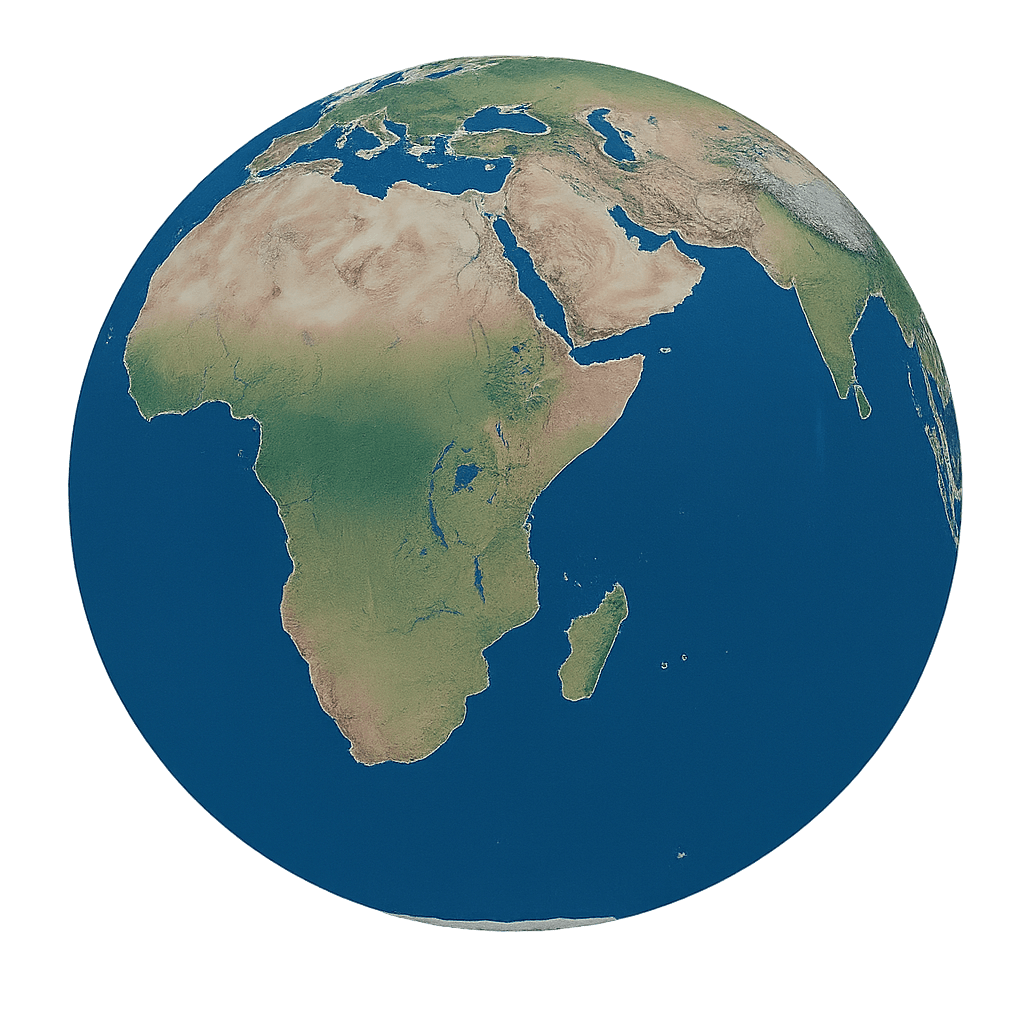
Yemen Displacement: UNHCR says escalating Houthi-government fighting has forced 100,000+ people to flee inside Yemen and thousands to cross to Djibouti, with urgent needs for shelter, food, clean water, health care and protection; UN relief chief Tom Fletcher released $9m in emergency funds as access remains severely constrained. South Sudan Hunger: WFP warns “super El Niño” is worsening acute food insecurity: 7.8 million people need help, including 2.2m children and 1.2m pregnant/breastfeeding women; funding gaps could cut off 1m+ by October. IGAD Strain: IGAD’s executive secretary warns the bloc faces financial and institutional pressure that could weaken its response to war, displacement and food insecurity across the Horn. Ethiopia Health Watch: WHO-linked reporting highlights Ethiopia’s malaria rebound, with conflict and weak services undermining nets, spraying and rapid tests—especially in Amhara. Ethiopia Security & Health Access: A rebel group in Oromia threatens mining firms after a deadly attack, raising risks for local livelihoods and services. BRICS & Health: A BRICS push on healthy lifestyle promotion and prevention is framed as a growing policy priority across member states, including Ethiopia.
AGP Executive Report
Your go-to archive of top headlines, summarized for quick and easy reading.
Note: AI summary from news headlines; neutral sources weighted more to help reduce bias in the result. Feedback is welcome. Please let us know if you have any comments or suggestions about the AGP Executive Report.
Malaria Watch (Ethiopia): WHO reports Ethiopia’s malaria burden at 7.3 million cases (Jan–Oct 2024), with conflict-linked access problems and weak facility capacity helping drive spread; newer analyses also point to gaps in bed-net coverage, indoor spraying, and diagnostic limits—especially in Amhara where incidence rose sharply. Eye Health Push (Ethiopia-linked): The Duchess of Edinburgh highlighted avoidable childhood sight loss during a Zambia visit, noting Orbis work in Ethiopia and calling for expanded eye-care access in underserved communities. Health & Conflict (Sudan–Ethiopia border): Reports describe intensifying fighting in Sudan’s Blue Nile near the Ethiopian border, with major displacement that strains health services and raises risks for vulnerable groups. Humanitarian Nutrition (South Sudan): WFP warns South Sudan is facing a “collision of crises” as food and nutrition needs surge while humanitarian funding drops, putting millions—especially children and pregnant women—at risk. Health Policy & Migration (US–Africa): US visa processing pauses affecting African applicants, including Ethiopia, have been lifted after court orders, with instructions to resume standard case reviews. Mining, Safety & Community Health (Oromia): Ethiopia’s rebel group OLA threatens mining firms and demands local involvement and environmental safeguards after a deadly attack at a gold site, raising concerns for community safety and health impacts.
Humanitarian Eye Care: Dr. Matt Oliva, Cure Blindness Project board chair, received the 2026 AAO Outstanding Humanitarian Service Award for long-running volunteer work treating avoidable blindness, including Ethiopia, Eritrea and Somaliland. Eye Health Diplomacy: The Duchess of Edinburgh began a Zambia visit with Orbis and the International Agency for the Prevention of Blindness, ahead of a Global Summit for Eye Health aimed at ending avoidable sight loss by 2030. Climate & Food Systems: A new global fertilizer dataset maps crop-specific nitrogen, phosphorus and potassium use from 1980–2022, highlighting how better fertilizer balance could boost yields while cutting pollution. Ethiopia Security & Health Risks: An Ethiopian rebel group threatened mining firms after a deadly attack at Tulu Kapi, raising concerns for local safety and health access around resource sites. Climate Finance Push: CCDA-14 in Addis Ababa closed with calls for stronger climate finance and delivery ahead of COP31 and COP32. Sudan Displacement Spillover: Nearly 100,000 people have been displaced in Sudan’s Blue Nile since January, with fighting near the Ethiopian border worsening humanitarian pressure. BRICS & Global Health/Tech: BRICS leaders adopted a New Delhi Declaration including AI and infectious disease control themes, while Ethiopia’s PM Abiy highlighted digital and AI capacity-building for Africa.
UNGA Expectations: A Ghana-based think tank says UN General Assembly 81 will focus on revitalizing multilateralism, climate action (including Loss and Damage), regulating AI, and managing conflicts. BRICS Health & Tech: At the 18th BRICS Summit in New Delhi, leaders backed cooperation on health, infectious disease control, technology access, and an open-source AI push—while PM Modi warned that “weaponisation” of technology and critical minerals could block shared progress. Ethiopia in BRICS Diplomacy: Ethiopia’s New Year coverage highlights BRICS diplomacy and a strategic push for Red Sea access, while Ethiopia’s PM Abiy Ahmed met Modi and discussed digital public infrastructure and building AI capacity. Ethiopia–India Links: Ethiopia and India were described as taking “old friendship into new frontiers,” with bilateral talks covering defence, critical minerals, and capacity building. El Niño Health Risk (Kenya): Kenya’s El Niño threat is framed as an urgent public risk, with calls for readiness as floods could disrupt livelihoods and health services. Health Funding & Care: A community fundraiser for motor neurone disease in Ireland surpassed €10,000, underscoring ongoing gaps in care and support. Health System Stress (Ethiopia): A report warns drone strikes and hospital raids are pushing Ethiopia’s health system toward collapse.

BRICS Health & Resilience: At the 18th BRICS Summit in New Delhi, leaders agreed to strengthen cooperation on health, infectious disease control, and resilience as PM Modi warned that “weaponisation” of technology and critical minerals could slow shared progress. Open-Source AI for the Global South: China’s Xi announced a BRICS open-source AI ecosystem, aiming to boost access to AI tools and skills for emerging economies. Ethiopia’s BRICS Push: Ethiopia’s PM Abiy Ahmed used the summit to highlight digital public infrastructure and called for Africa to build the next generation of AI capacity, while Ethiopia also pursued deeper ties with India and other African partners. Food & Health Security Outcomes: India’s BRICS chairship outcomes included initiatives tied to food and health security, plus mental wellness and disaster risk reduction. Local Health System Pressure: A separate report warns drone strikes and hospital raids are pushing Ethiopia’s health system toward collapse. Ethiopia–Israel Ties: An opinion piece highlights opportunities for cooperation in health, agriculture, water management, and innovation as both countries look to deepen relations.
BRICS Health & Resilience: At the 18th BRICS Summit in New Delhi, leaders adopted the 140-point New Delhi Declaration, pushing health security and resilience against pandemics, climate shocks and supply disruptions, while also backing practical cooperation on mental wellness and disaster risk reduction. Air Quality & Public Health: A separate report flags an air pollution crisis in Addis Ababa, warning that black carbon and fine particles are far above health thresholds, raising risks for respiratory and cardiovascular disease. Ethiopia–Israel Ties: An opinion piece highlights Ethiopia–Israel cooperation opportunities in health, agriculture, water management and innovation, pointing to recent high-level engagement. Ethiopia–Diplomacy: Ethiopia’s embassy residence dispute with Ottawa is reported as a heritage-designation issue. Trade & Health Systems Link: Pakistan and African partners launched the Pakistan-Africa Economic Council, aiming to lift trade to $15bn by 2030—potentially affecting access to pharma and health-related supplies through expanded commerce.
Health & Safety in Conflict Zones: Physicians for Human Rights and OJAH warn that attacks on hospitals, ambulances, and health workers have become “normalized” across Ethiopia’s northern regions, citing surveys of 602 health workers and reporting looting, armed takeovers, and drone strikes that damage clinics and vehicles. Air Pollution & Public Health: A new Addis Ababa-focused study highlights black carbon and PM2.5 levels far above health thresholds, linking the “street-level” air crisis to respiratory illness, cardiovascular risk, and harm to children’s development. BRICS Health & Food Security Commitments: Ethiopia’s PM Abiy Ahmed attended the 18th BRICS Summit in New Delhi, where the New Delhi Declaration includes health, food and energy security priorities alongside digital and AI cooperation. Agriculture & Nutrition Resilience: BRICS agreed to create a farmer-centric AGRIN network and continue work on a BRICS grain trading platform, aiming to reduce food price volatility and supply shocks. Local Health Diplomacy: Ethiopia’s ties with Malaysia were discussed on the sidelines of BRICS, including cooperation on pharmaceuticals and food security.
Diplomacy & Health Links: On the sidelines of the 18th BRICS Summit in New Delhi, Ethiopia’s PM Abiy Ahmed met India’s PM Narendra Modi, with talks covering defence, critical minerals, clean energy and healthcare cooperation—framing BRICS as a platform to protect developing countries from shocks. Global Governance Push: Modi announced the unanimous adoption of the New Delhi Declaration 2026, calling for conflict prevention, smoother global trade and supply chains, and reform of multilateral institutions—issues that directly affect health supply and access. Ethiopia–Malaysia Cooperation: Malaysia’s PM Anwar Ibrahim invited Ethiopia to open an embassy in Kuala Lumpur and agreed on a first bilateral consultation next year, with cooperation also flagged in agriculture, food security, pharmaceuticals and digital services. Regional Tensions: Eritrea accused Ethiopia of destabilising the Horn of Africa, adding to a tense backdrop for cross-border health and humanitarian planning. Livestock Health Alert (Kenya): African swine fever killed 1,470 pigs in Kiambu and spread to six more counties, prompting stepped-up surveillance and border controls—an example of how disease outbreaks can disrupt food systems.
BRICS Summit in Delhi: Leaders including Xi Jinping, Vladimir Putin, Iran’s Masoud Pezeshkian, and Ethiopia’s PM Abiy Ahmed are arriving for the Sept 12–13 summit, with India pushing “resilience, innovation, cooperation and sustainability.” Health & tech focus: India’s BRICS agenda highlights health, agriculture, disaster risk reduction, and AI; Ethiopia says it’s building globally competitive AI capacity and wants a regional partnership to share know-how. Digital payments for trade: Commerce minister Piyush Goyal urged BRICS members to link payment systems and expand local-currency trade, citing India’s UPI scale. Food systems and climate: African civil society groups in Addis Ababa called for climate action rooted in food systems, agroecology, health and nutrition ahead of COP31. Ethiopia environment watch: A new review warns eucalyptus plantations—once promoted to curb deforestation—can threaten springs and water supplies.
Food & Climate Policy: African civil society groups meeting in Addis Ababa (Sept 7–9) are urging COP31 climate action to be rooted in food systems and agroecology, linking climate, health and nutrition, and pushing for investments shaped by the people who produce and consume food. Maternal Health Crisis: In Liberia, women like Lorpu face long delays and costly barriers to obstetric fistula surgery after prolonged obstructed labor, with UNFPA estimating nearly 500,000 cases yearly worldwide, half in sub-Saharan Africa. Vaccines for Africa: Africa’s push for self-reliance in vaccines highlights new manufacturing plans, including a $15m AfDB-backed facility in South Africa to expand oral cholera vaccine and inactivated polio production. BRICS & Health-Relevant Cooperation: As BRICS leaders gather in New Delhi Sept 12–13, Ethiopia is among member countries seeking stronger economic cooperation; discussions also spotlight resilience priorities that include health and disaster readiness. Air Quality Watch: Addis Ababa is flagged among the cities with the worst air quality in a separate report, underscoring ongoing respiratory health risks from pollution.
Child Health: A CDC-supported review using postmortem testing in Africa and South Asia found 4 in 5 stillbirths and young child deaths were preventable or possibly preventable with care that already exists, highlighting hospital-associated infections and pregnancy complications as major killers. Disease Control Training: GLIDE wrapped up its 7th Disease Elimination & Eradication Course in Rwanda, training public health leaders from Ethiopia and other countries to turn policy into practical elimination plans. Cholera Response: UN and partners launched a 10-day cholera vaccination drive in Sudan’s North Darfur targeting about 95,000 displaced people, amid insecurity and limited access to care. Climate & Health Risk: With El Niño-linked rainfall expected to rise across eastern Africa, health systems are urged to prepare for flooding-related outbreaks like cholera and other diarrhoeal diseases, especially where roads and water services are already strained. Youth Mental Health & Tech: A global study of 13–24-year-olds found young people are digitally saturated and leaning on AI companions for support, while still craving real face-to-face relationships and non-judgmental adult presence—surveying Ethiopia among other countries. Diplomacy & Health Cooperation: Ethiopia’s PM Abiy Ahmed is among leaders attending the BRICS summit in New Delhi, where health cooperation and pandemic preparedness are on the agenda.
BRICS Summit & Health Resilience: India’s 18th BRICS Leaders’ Summit (Sept 12–13, New Delhi) will spotlight resilience across food, energy, healthcare, disaster reduction and critical supply chains, with Ethiopia’s Foreign Minister Gedion Timothewos arriving for the talks. El Niño Health Preparedness: Kenya is stepping up readiness for possible 2026/27 El Niño-linked flooding, warning of higher risks for cholera, typhoid, dysentery and other diarrhoeal diseases as water systems and access to clinics are disrupted. Climate Heat Pressure: A Copernicus-backed AFP analysis reports the hottest June–August on record for 1.3 billion people, underscoring rising heat stress that can worsen health burdens. Maternal Care Equity: A report highlights hidden barriers for pregnant women with disabilities in Lagos, pointing to gaps in accessible facilities, transport and respectful care. Digital Health & Identity Learning: UNDP’s mission trained African delegations, including Ethiopia, on India’s digital public infrastructure—covering digital identity, payments and data systems for services like healthcare and social protection. Malaria Fight Reminder: A public health analysis stresses malaria control must keep pace with climate-driven mosquito changes, noting Ethiopia among countries driving recent case increases.
El Niño Health Watch: WHO and Kenya are stepping up readiness for the 2026/2027 El Niño season, focusing on disease surveillance, early warning, lab response, safe water and sanitation, risk communication, and keeping essential services running as flooding could trigger outbreaks like cholera and typhoid. Cholera Response Amid Insecurity: UN agencies say cholera control continues in Sudan despite insecurity, including a 10-day vaccination campaign in North Darfur targeting 95,000 displaced people, alongside shelter support for newly displaced families. Digital Health & Identity Learning Tour: UNDP’s Africa Accelerator mission sent delegations including Ethiopia to India to study digital public infrastructure—digital identity, payments, and data systems—aimed at strengthening services in healthcare and social protection. Maternal Care Equity: A report highlights how women with disabilities face major barriers to maternal healthcare, underscoring the need for accessible facilities, transport, respectful care, and better health information. Ethiopia Reform Support: The EU reaffirmed support for Ethiopia’s economic reforms, expanding cooperation in digital infrastructure, renewable energy, public health, and climate action. Food & Water Resilience: Research from drought-prone Ethiopia shows climate-smart farming—like soil bunds and residue mulching—can cut soil loss and boost wheat yields by over 27%. BRICS Summit Health on the Agenda: India’s upcoming BRICS summit is set to emphasize resilience across food, energy, health, disaster reduction, and supply chains, with leaders from multiple member states expected in New Delhi.
El Niño Health Alert (Kenya): WHO is working with Kenya to prepare for the 2026/27 El Niño rains, focusing on disease surveillance, early warning, lab and response capacity, safe water and sanitation, risk communication, and keeping essential services running—warning that flooding can trigger waterborne outbreaks like cholera and typhoid and block access to care. Maternal Health Case (Ethiopia): Ethiopian clinicians report two uterus-didelphys cases—one life-threatening uterine rupture in a 17-week pregnant woman and one long-mismanaged prolapse in a 50-year-old—highlighting the need for suspicion and timely care. Public Health & Environment (Ethiopia region): Lake Baringo/Bogoria flooding risk is rising as El Niño approaches, with health and education evacuation planning expected for mapped high-risk facilities and schools. Health Financing Idea (Africa): A new discussion on debt swaps points to “Debt2Health” style deals as a way to redirect savings into health priorities. Air Quality (Africa): A continent-wide brief says more than 20 African countries still miss WHO air pollution guidelines, underscoring ongoing public health risk.
Air Quality & Public Health: A new Africa Air Quality Brief marks International Day of Clean Air for Blue Skies, warning that more than 20 African countries still miss WHO air pollution limits—an urgent health signal for Ethiopia’s cities and respiratory health. Water & Disaster Preparedness: Kenya’s Lake Baringo and Bogoria are at risk of merging as water rises, with experts urging evacuation planning for health facilities and schools if El Niño intensifies—an early-warning lesson for the Horn. Safer Firefighting Chemicals: Nigeria’s airports begin a UN-backed shift from PFAS “forever chemicals” to fluorine-free firefighting foams, and the wider project includes Ethiopia, aiming to cut long-term health and environmental harm. Maternal Health & Dignity: A report highlights how obstetric fistula can trap women in years of incontinence and depression when surgery is delayed—reinforcing the need for timely fistula care. Women’s Health Education: Coverage calls for menstrual health education to become a national priority, tackling silence and misinformation that block girls’ wellbeing. Health Financing as Investment: UNECA training urges governments to measure how health spending boosts jobs and household stability, pushing health as an economic investment—not just a cost. Ethiopia Health & Safety: Violence at an Ethiopia gold mine site led to deaths and a halt in operations, raising concerns for worker and community safety around health risks.
Prevention First: Kenya’s public health officials stress that dengue, malaria, cholera, TB, hypertension and diabetes can be reduced through prevention, early detection and timely action—urging families, communities and institutions to act before people reach hospital care. Health Data for Decisions: WHO Africa launched a Regional Health Data Hub in Addis Ababa to connect fragmented health systems, helping countries spot outbreaks, track maternal and child health, and plan services with trusted, usable data. Health Spending as Investment: UNECA highlights a shift in how governments view health budgets—training Ethiopia and other countries to measure how health spending boosts jobs, productivity and household resilience, not just “social costs.” AI for Faster Diagnosis: An AI-powered MRI reconstruction tool (GenScan AI) won a major science prize, aiming to cut scan times and reduce waiting lists for earlier diagnosis. Gender & Health: Ghana’s gender minister met an AU health commissioner to strengthen work on maternal health and cervical cancer, alongside stronger social protection and women’s empowerment. Ethiopia Health Tech Access: Starlink remains unlicensed in Ethiopia, leaving clinics and households without legal satellite broadband options despite regional rollout. Safety & Community Impact: Violence at an Ethiopia gold mine site in Oromia led to deaths and a suspension of operations, raising security concerns for local communities.
WHO & Data Systems: The WHO Regional Office for Africa launched the Regional Health Data Hub (RDHUB) in Addis Ababa to connect fragmented health data across countries, helping teams track trends, compare progress, and spot emerging priorities for faster outbreak and maternal/child health decisions. Diabetes Care Research: A randomized trial tested a nurse-led diabetes “illness perception” support approach delivered by mobile messaging, aiming to improve glycemic control and patient outcomes for adults with poorly controlled type 2 diabetes. Public Health & Misinformation: Africa CDC highlights how rumours can drive deadly disease-outbreak misinformation, urging communities to manage false claims quickly to prevent harm. Ethiopia Health Surveillance: Ethiopia is moving to launch a national health surveillance network to close critical data gaps. Nutrition Burden: New research underscores the “double burden” of malnutrition among women—both undernutrition and obesity—linking it to higher risks of non-communicable diseases like diabetes. Clinical Diagnostics: Studies point to the growing need for molecular diagnosis in skin fungal infections, where non-dermatophyte fungi can be missed by routine methods. Sudan Conflict & Health Risks: UN investigators demand enforcement of the Darfur arms embargo as the war escalates, warning that continued military support fuels violations against civilians. BRICS & Health Tech: Coverage links BRICS cooperation to technology sharing for the Global South, including bringing medical expertise closer to underserved communities.
Judicial Cooperation at BRICS: China’s top judge Zhang Jun urged deeper BRICS judicial cooperation, including “digital justice,” as India hosted the BRICS Chief Justices’ Forum (Sept 4–6) and CJI Surya Kant called for a “living Nalanda University” model that welcomes disagreement to speed up fair, predictable justice. Ethiopia’s Health Data Push: Ethiopia is preparing to launch a nationwide blood lead study to fill major gaps in blood lead data, with federal health officials planning testing of thousands of children and women across the country. Digital Health in the Region: Kenya’s digital health reforms—anchored by its Digital Health Act—are expanding health information exchange, e-claims, portals and digital hospital systems, with AI-assisted imaging and telemedicine highlighted as ways to improve access. AI for Development: IGAD says Ethiopia is building competitive AI capabilities, with applications spanning agriculture, healthcare, education and finance, and aims to share lessons regionally. Clinical Research Focus: A study on maintenance hemodialysis links inflammation–nutrition–metabolism patterns to arteriovenous fistula function and cardiovascular prognosis, underscoring the need for integrated patient care. Women’s Safety and Advocacy: Ethiopia’s Miss World representative Ruth Yirgalem Weldesilasie says she will turn grief over her sister’s abduction and murder into purpose, using the platform to spotlight violence against women and girls.
National Health Data Upgrade: Ethiopia has launched a national Health and Demographic Surveillance System (HDSS) network to fix major vital statistics gaps, linking 16 university centers under EPHI to standardize health metrics and feed policy decisions. Lead Poisoning Push: Federal health officials plan a nationwide blood lead survey covering 10,500 people to measure exposure levels where current data is patchy, with the aim of setting a clearer national burden. Maternal Health Case Spotlight: A case report describes successful treatment of advanced uterine prolapse using total vaginal hysterectomy in a postmenopausal patient, adding to clinical knowledge on a common condition. Digital Health Momentum: Ethiopia’s AI capabilities are highlighted as IGAD seeks a regional AI framework, while Kenya’s digital health reforms show how apps, data systems, and AI tools are being used to strengthen care delivery. Child Safety Online: UNICEF reports that internet-using children in Kenya face high exposure to unwanted sexual content, with Ethiopia also among the countries flagged. Housing & Health Risk: A new mortgage refinance company aims to unlock long-term home loans, but analysts warn housing shortages won’t be solved by finance alone—an issue that can affect health outcomes.
Health Data Push: Ethiopia has launched a national Health and Demographic Surveillance System (HDSS) network to fix major vital statistics gaps, linking 16 university centers under EPHI and aiming to improve how births and deaths are counted nationwide. Lead Poisoning Survey: Federal health officials plan a three-month, 10,500-person blood lead study to measure national exposure, citing patchy data and a lack of representative blood lead figures. Digital Health Momentum: Kenya’s digital health reforms—covering health information exchange, e-claims, apps, and AI-assisted tools—highlight a regional push that Ethiopia can learn from as health systems modernize. Women’s Safety Spotlight: Ethiopian Miss World contestant Ruth Yirgalem Weldesilasie is using her platform to speak about the abduction and murder of her sister, with reports of arrests and renewed attention on violence against women and girls. Clinical Care Note: A case report describes successful treatment of advanced uterine prolapse using total vaginal hysterectomy, adding to local clinical knowledge.
Sign up for:
Health Press Ethiopia
The daily local news briefing you can trust. Every day. Subscribe now.
Check Your Email!
We sent a one-time activation link to: .
Confirm it's you by clicking the email link.
If the email is not in your inbox, check spam or try again.
Welcome back!
is already signed up. Check your inbox for updates.