AGP Executive Report
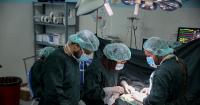
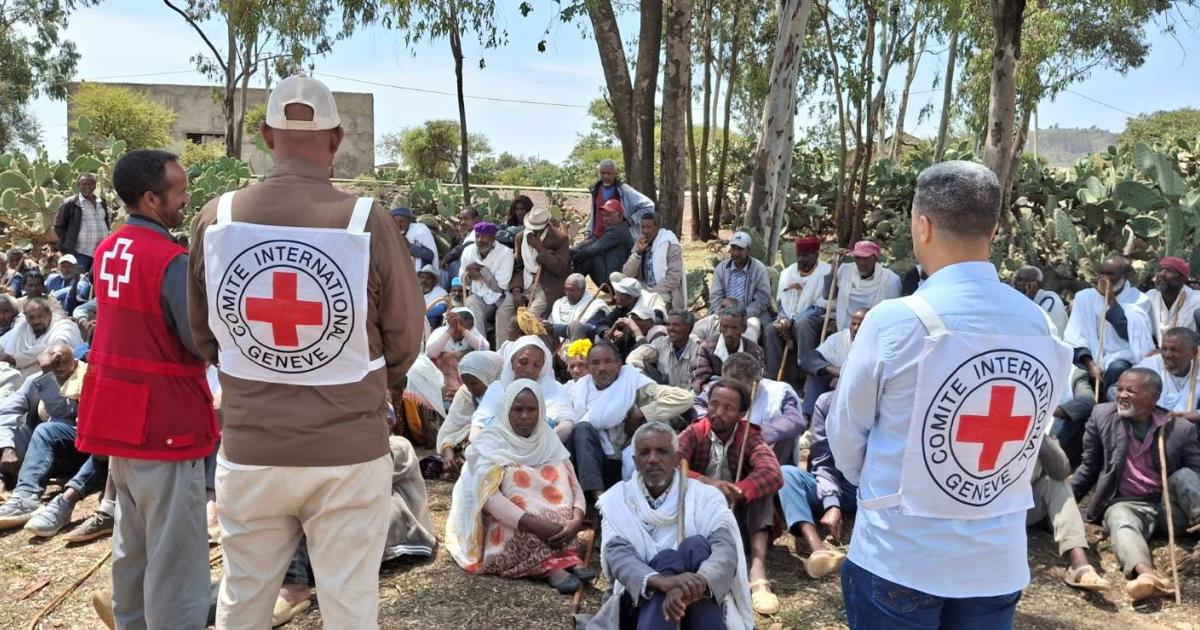
Last update: 11 hours agoSurgery spotlight: A new commentary argues global health keeps missing surgery, even though pregnancy complications, trauma, cancer, infections and chronic conditions need operating rooms—and billions in low-income settings still lack safe, affordable surgical care. WHO leadership race: With the WHO Regional Committee for Africa meeting in Addis Ababa, Ethiopia’s health minister Mekdes Daba was elected chair, while the wider push for WHO top jobs heats up across regions. Maternal care push: Experts call for earlier antenatal care and timely ultrasound to cut maternal and neonatal deaths, pointing to late clinic presentation as a key driver. Ethiopia-France health ties: Ethiopia’s health ministry met France/Unitaid leadership to expand support for rapid diagnostics, maternal care, and local manufacturing of medicines, equipment and oxygen. Urban waste health risk: A study mapped hazards at Addis Ababa’s Repi open dumpsite, flagging water and river/groundwater contamination as the top threat. Antibiotic resistance warning: Health experts warn antibiotic misuse—self-medication, incomplete courses and chemist sales without prescriptions—is fueling drug resistance. Cancer care capacity: ISRT 2026 in Lagos will showcase radiopharmaceutical therapy and training plans to expand cancer diagnosis and treatment across Africa. Water access in Ethiopia: Reporting from Benishangul Gumuz describes how unsafe, distant water harms families—especially women and pregnant people—highlighting urgent clean-water needs. Ebola update: Uganda declared its Ebola outbreak over after 42 days without new confirmed cases, following intensive surveillance and response. Meta legal settlement: A Meta settlement in the US over addictive design raises questions about similar claims still pending elsewhere, including in Africa.
Note: AI summary from news headlines; neutral sources weighted more to help reduce bias in the result. Feedback is welcome. Please let us know if you have any comments or suggestions about the AGP Executive Report.

 Perspectify News